
|
Last month, I wrote about waking up to the friction between the reasons most of us got into social change work and the institutions we inherited to do that work in. I ended with: “We can question what is governing us, and decide whether it still deserves the authority we’ve given it,” and promised more this month about becoming ungovernable queens. 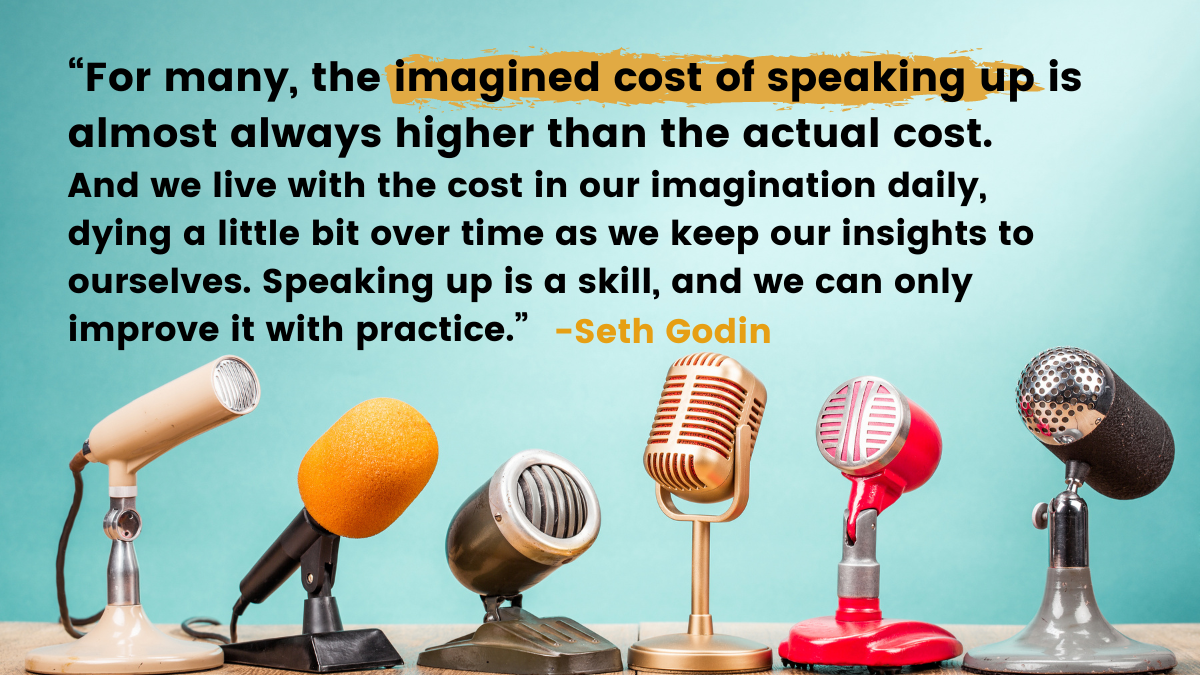 My original inspiration for introducing the word ungovernable was a meme about a mom whose kindergarten-aged daughter had earned the description after organizing her classmates against some playground injustice.
I immediately thought, I want to be ungovernable when I grow up. A month later, the word feels considerably less whimsical. As I write this, women everywhere are furious over the allegations now widely associated with the “Cornell 7,” and particularly over questions about how the institutions involved responded. What accountability looked like (or didn’t). This isn’t another essay about Cornell, but it would feel strange to write about women, power, and accountability in this moment without acknowledging the context we’re writing and reading in. Because accountability is actually what I want to talk about. I don’t think we want to be ungovernable in the sense that we answer to no one. I certainly don't want leaders who answer to no one. Quite the opposite: increasingly, I find myself drawn to people who are very clear about who they do answer to. We want elected leaders who aren't governed by interests that conflict with the communities they're supposed to serve. We want organizations that aren't so governed by funders, professional norms, or institutional self-preservation that they lose sight of the people they exist to support. And maybe, both personally and professionally, we want to be a little less governed by other people's expectations, approval, and manufactured urgency, while becoming more accountable to our values, our communities, and one another. So I don't think becoming ungovernable is about refusing authority. I think it's about getting much more deliberate about what we give authority over us: what gets our time, attention, energy, and loyalty. For example, who is our nonprofit actually accountable to when community needs, donor preferences, funder requirements, professional norms, and organizational survival pull in different directions? Or personally, who gets a claim on our time? Whose disappointment are we willing to tolerate when needs conflict? (I see you squirming, fellow recovering people-pleasers.) Which expectations of "good women," "good mothers," "good leaders," and "good nonprofit workers" have we mistaken for obligations? And in relation to our Disrupt For Good shifts:
One last note on the distinction between being ungovernable and unlearning. I used to think these shifts were more about unlearning than learning. Now I see that while unlearning prompts me to examine what I’ve been taught, becoming ungovernable prompts me to examine what I’ve given authority over my choices, and put the shifts into practice:
Our institutions teach us what “good” looks like. But once we see those expectations and patterns, we get to decide which ones still deserve authority over us. Maybe that's why I was so delighted by that little girl organizing her kindergarten classmates in the first place. It wasn't that she refused to be accountable to anyone. She had apparently decided that something else mattered more than being compliant. May we all become a little more discerning about what deserves our compliance. If you're becoming ungovernable in your own life or work, I'd love to hear about it. What have you stopped allowing to govern you? And what are you choosing to be accountable to instead?
0 Comments
Leave a Reply. |
AuthorI'm Jennifer. I am an advocacy and communications strategist working with multiple charities and nonprofits. And I want to disrupt our sector for good. Archives
November 2026
Categories |
 RSS Feed
Get on the Disrupt For Good mailing list: |
|